
Application Programming Interfaces (APIs) are the foundation of contemporary software systems, facilitating effortless communication between applications, services, and platforms. For top-level executives, knowing and resolving API integration issues is not only a technical requirement but also a strategic one. With business growth and development ambitions in the pipeline, integrating APIs can directly influence operational efficiency, customer experience, and competitiveness. Yet, API integration is plagued with issues that can hinder projects, drive expenses, and detract from system reliability.
Testing APIs using manual methods does not help reach the desired level of coverage, efficiency, and quality. Generative AI (GenAI) is a revolutionary alternative, especially in API validation and testing. It provides a more intelligent, effective means of circumventing these traditional testing challenges. Read through this blog to explore QMentisAI as a GenAI-powered alternative to accelerating testing API integrations.
Understanding API Integration Challenges
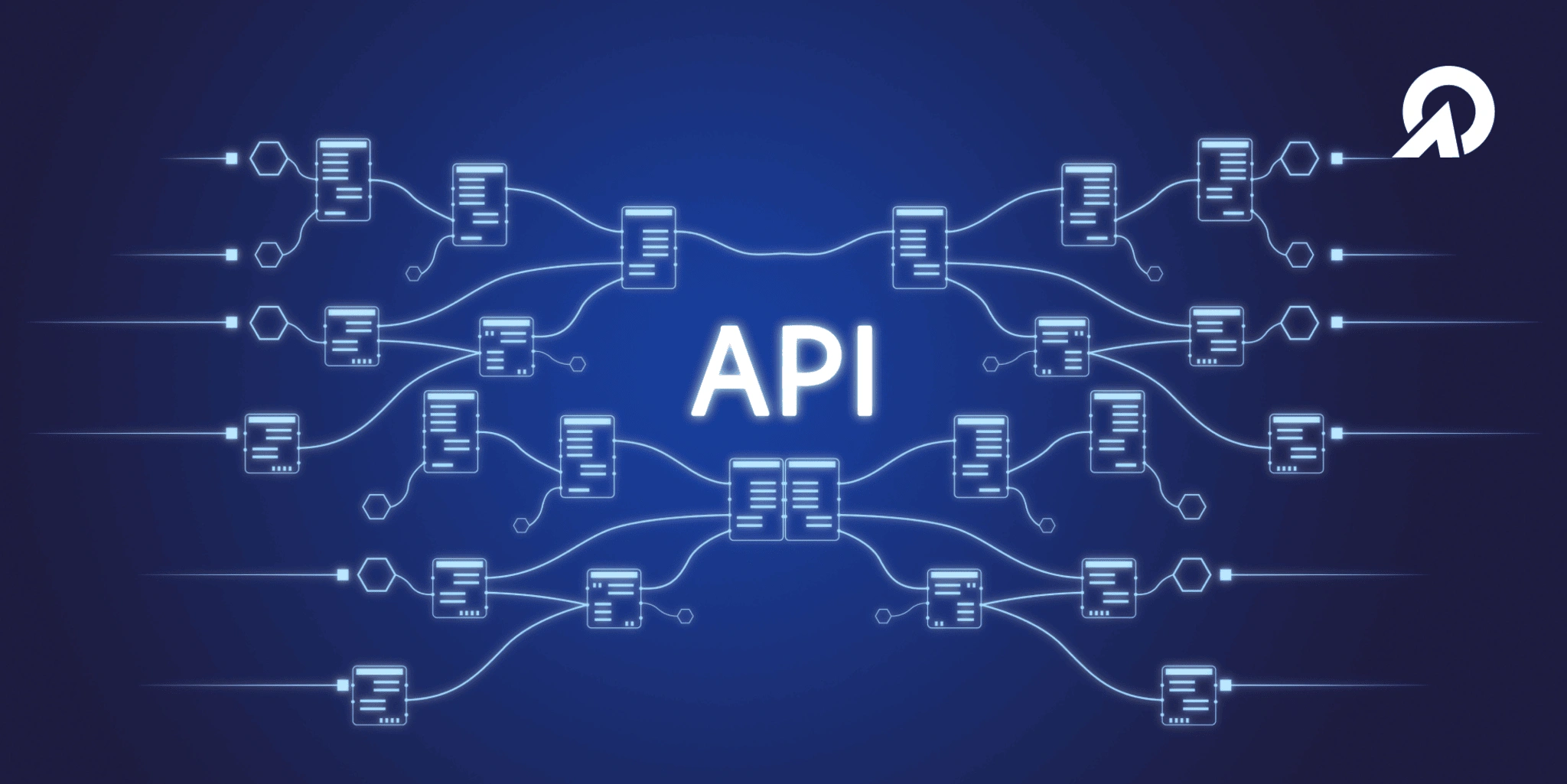
API integration transforms applications’ processes with seamless data exchange, removing silos, eliminating redundant tasks, while enhancing customer experiences, and fostering innovation. But it is accompanied by a series of complicated problems that can slow things down:
- Building Integrations is Time-consuming: Developers spend significant time understanding a vendor’s API documents, implementing each integration with custom code, and testing them continuously. This approach is not ideal for handling dozens of integration requests on a large scale. Moreover, API integrations with third-party vendors mean thoroughly reviewing partnership agreements and formal documentation to ascertain if the ROI is worthwhile.
- Authentication and Authorization: APIs can be easily exploited for cybersecurity attacks. Without ample authentication and authorization, poor encryption, and errors can cause entire systems to fail, experience critical downtime, and result in productivity loss that may cause loss of sensitive data.
- Data Format Incompatibility: Varying APIs might have dissimilar data formats (e.g., JSON, XML), invoking complicated transformations that may be prone to errors. Maintaining consistency with different API versions to update integrations can be time- and effort-intensive. Version and compatibility issues arise while an API evolves because it becomes complicated to maintain compatibility with older versions or adjust to changes.
- Inadequate or Unclear Documentation: Poor or ambiguous documentation might hinder developers from clearly comprehending and implementing APIs appropriately, resulting in integration faults. Most API documents are complex and do not capture adequate information on the API versions that the team needs to make integrations accordingly.
- Error Handling: APIs will not necessarily handle errors elegantly, or integrations might not provide for all error conditions, leading to system crashes.
- Security Risks: Integrations with third-party APIs may create certain security risks if not correctly handled, exposing sensitive data to risks.
- Performance Issues: APIs can limit rates, latency, or other performance considerations that might impact an application’s overall performance.
- Testing and Validation: Extensive testing, which is time-consuming and difficult, is needed to ensure that API integrations function properly in all situations, including edge cases.
These challenges have significant business implications resulting from delayed product launches, increased development costs, and customer dissatisfaction. The scale of these issues is evident in industry statistics:
| Statistic | Source | Description |
| 83% of Internet traffic is API-based | Akamai | Highlights the critical role APIs play in digital ecosystems. |
| Over 4.1 million API-related repositories | GitHub | It indicates the widespread use and complexity of API integrations. |
| Developers spend a third of their time on API development | Analyzing Alpha | Underscores the resource intensity of API tasks. |
| 400+% surge in API traffic in healthcare in 2020 | Analyzing Alpha | Shows the critical role APIs play in scaling services during crises. |
These figures emphasize the need for robust solutions to address API integration challenges effectively.

The Role of Generative AI in API Integration
GenAI-powered testing platforms and tools are transforming how enterprises deal with API integration, especially regarding validation and testing. Using sophisticated custom-trained models, GenAI automates and improves aspects of the integration process, making it faster, more reliable, and more scalable. Here’s how the API testing feature within QualiZeal’s flagship enterprise-grade QMentisAI, the GenAI-powered software testing platform, addresses the issues mentioned above:
- Automated Test Case Generation: GenAI-powered tools are built to produce extensive test cases, including edge cases, to test APIs adequately. This saves time and effort on manual testing, enabling faster development cycles.
- Data Generation and Validation: GenAI can produce realistic test data sets to validate how APIs react to different inputs and scenarios. QMentisAI leverages this capability to provide solid performance across various use cases.
- Error Detection and Bug Prediction: By examining code and test outcomes, GenAI-powered testing tools help predict and detect possible bugs or vulnerabilities. They also provide detailed bug reports, allowing teams to fix bugs beforehand without affecting production.
- API Documentation and Understanding: QMentisAI can help create and comprehend API documentation, facilitating developers’ easier API integration and minimizing errors caused by inadequate documentation.
- Security Testing: GenAI helps mimic malicious inputs and test for typical security vulnerabilities, validating the security of API integrations and safeguarding sensitive information.
- Performance Testing: QMentisAI’s cutting-edge GenAI models, built to simulate user activity and load situations, help validate API performance under various circumstances, ensuring maximum performance even under heavy use.
GenAI adoption in API management is increasing significantly. Gartner predicts that over 80% of business organizations will have employed generative AI APIs or adopted GenAI-powered applications by 2026, compared to less than 5% in 2023. The adoption speed highlights GenAI’s potential to revolutionize the solution to API integration issues.

QualiZeal’s Approach to API Integration with GenAI
At QualiZeal, we are experts at assisting companies in overcoming the complexities of API integration with leading-edge solutions using GenAI. Our methodology is crafted to tackle the problems experienced by C-level professionals while providing quantifiable business results. Our core offerings are:
- Advanced Test Automation: With GenAI-led intelligent automation, QMentisAI automates test case generation and execution, providing exhaustive coverage and minimizing the efforts of manual testing. This speeds up development and minimizes errors.
- Intelligent Data Management: Our solutions, particularly QMentisAI, leverage GenAI to create and verify data, so APIs correctly process all inputs and work reliably in production environments.
- Proactive Security: Across our QA services, we leverage our platform-powered, GenAI-first approach via QMentisAI to detect and alleviate security threats, safeguarding your APIs from possible attacks, and maintaining industry-standard compliance.
- Performance Optimization: Using real-world simulations, QMentisAI helps optimize the performance of your APIs so that they run smoothly under different conditions, resulting in improved user experiences.
- Documentation Enrichment: GenAI in QMentisAI assists in generating precise and detailed documentation, making it simpler for your teams to implement and grasp APIs and minimizing integration errors.
QMentisAI is optimized to smoothly integrate with your current systems, giving you a single platform for managing API integrations. This is time-efficient and saves on costs related to manual operations and errors. For C-level executives, this means:
- Faster Time-to-Market: Automated testing and verification accelerate development, allowing for speedier product releases.
- Better Security: Preemptive detection and mitigation of security threats to shield your business from data loss and compliance problems.
- Improved Performance: Optimized APIs manage high traffic and complex cases effectively, providing a smooth user experience.
- Cost Savings: Lower manual effort and fewer errors result in lower operating costs, yielding better ROI.
Future Trends and Recommendations
The future of API integration remains inextricably linked to developments in GenAI. With QMentisAI, we look forward to increasingly more innovative tools and techniques that will continue to streamline and improve API integration processes. Some of the key trends to follow are:
- Greater Automation: GenAI will automate more mundane tasks, including test case generation and documentation, allowing resources to be redirected to strategic efforts.
- Improved Security: GenAI will contribute more to detecting and mitigating security threats, particularly as APIs become increasingly crucial to business processes.
- Integration with CI/CD Pipelines: GenAI solutions will smoothly integrate with continuous integration and continuous deployment (CI/CD) pipelines to achieve faster and more efficient deployments.
- QE for AI: We have pioneered a future-forward approach to quality engineering, integrating GenAI capabilities across the testing lifecycle with our award-winning QMentisAI. We introduced ValidAIte, an AI assurance framework designed for proactive, compliance-first solutions to advance our pursuits in the AI-driven era. Built upon the NIST AI Risk Management Framework and aligned with the EU AI Act, ValidAIte offers comprehensive AI assurance across the entire lifecycle—beyond reactive monitoring.
For C-level leaders, adopting GenAI for API integration is a strategic necessity. The following are some suggestions to get it off the ground:
- Evaluate Current Processes: Review your API integration processes to determine where GenAI will bring the greatest value, such as in testing or security.
- Invest in GenAI Solutions: Collaborate with vendors like QualiZeal to roll out GenAI-enabled solutions that automate integration and provide tangible outcomes.
- Embrace a Culture of Innovation: Challenge your teams to discover GenAI potential and incorporate it into your digital transformation strategy.
- Keep Up with Industry Trends: Stay updated on developments in GenAI and API management so your organization stays ahead of the competition.

Conclusion
As we head towards a future where more than 80% of businesses will embrace GenAI by 2026, incorporating GenAI into API testing and management will become crucial. Through collaboration with QualiZeal, companies can harness the full power of their API integrations, keeping them ahead in a fast-changing digital world.
For more information on how QualiZeal can assist your company with API integration issues using GenAI, check out our site or contact us for a consultation.