
Introduction
The cruise industry is sailing into a new era of growth and innovation. In 2023, ocean cruise passengers hit 31.7 million, up 7% from pre-pandemic 2019 levels, according to the Cruise Lines International Association (CLIA). This momentum is expected to accelerate, with global cruise revenues projected to surpass $30 billion in 2024 (Statista). Fueling this boom is rising demand from younger travelers and first-time cruisers with 73% of Gen X and Millennial travelers eyeing cruise holidays (J.P. Morgan Research) and technology is at the heart of the transformation.
As cruise lines race to meet rising customer expectations, technology has become the engine powering this transformation. From smart booking systems to IoT-enabled ships, cruise lines are investing heavily in digital modernization. But outdated legacy IT systems remain a major obstacle, slowing integration, innovation, and efficiency.
With technical debt threatening to consume up to 40% of IT budgets by 2025 (Gartner), modernizing legacy systems is no longer optional. For cruise lines, success hinges on adopting robust testing strategies that ensure smooth integration of legacy platforms with next-generation technologies and enabling the industry to deliver seamless, tech-powered journeys for millions of passengers.

Challenges of Integrating Legacy Systems
Legacy systems in the cruise industry are often built on outdated hardware and software that no longer align with modern technologies. Many rely on aging programming languages like COBOL (Mendix), making it difficult to find skilled professionals for support. A clear example: during the COVID-19 pandemic, U.S. states struggled to process unemployment claims because of a shortage of COBOL programmers a challenge that mirrors issues in cruise operations, from booking systems to crew management.
Data migration is another major hurdle. Moving critical passenger and operational data from legacy systems to new platforms is risky, with potential for data loss or corruption. The task is made harder by poor documentation, a common trait of older systems, which obscures how data is structured and interlinked.
Ensuring compatibility between legacy systems and modern technologies adds another layer of complexity. New cloud-based booking tools or IoT devices often require custom APIs or middleware to bridge the gap. For example, one cruise line had to overhaul its data platform to connect seamlessly with in-house pricing and booking apps for real-time data processing (IGT Solutions).
Security risks also loom large. Legacy systems often lack the latest protections, making them easy targets for cyberattacks as seen in the 2017 WannaCry attack on the NHS’s outdated systems. In cruising, where passenger data and operational integrity are critical, a breach could spell disaster for both operations and reputation.

Finally, the cost of maintaining legacy systems is staggering. Research shows that 60–80% of IT budgets go toward keeping outdated systems running, leaving little room for innovation. For cruise lines, this means less investment in new customer experiences or smarter operations.
| Challenge | Description | Impact on Cruise Lines |
|---|---|---|
| Outdated Technology | Legacy systems run on obsolete languages and frameworks, which are hard to maintain. | Hard to find skilled personnel, increased maintenance costs slow down innovation. |
| Data Migration | Transferring data to modern systems risks loss, corruption, or inaccuracy. | Potential loss of critical passenger or operational data, leading to service disruptions. |
| Compatibility Issues | Legacy systems struggle to integrate with modern technologies and platforms. | Need for complex middleware or APIs, higher implementation costs and complexity. |
| Security Vulnerabilities | Lack of system updates exposed to cyber threats. | Risk of data breaches, operational downtime, and reputational damage. |
| High Maintenance Costs | Up to 80% of IT budgets are consumed on maintaining legacy systems. | Drains resources that could be invested in innovation and limits competitiveness. |
The Importance of Testing in Cruise Line IT Modernization
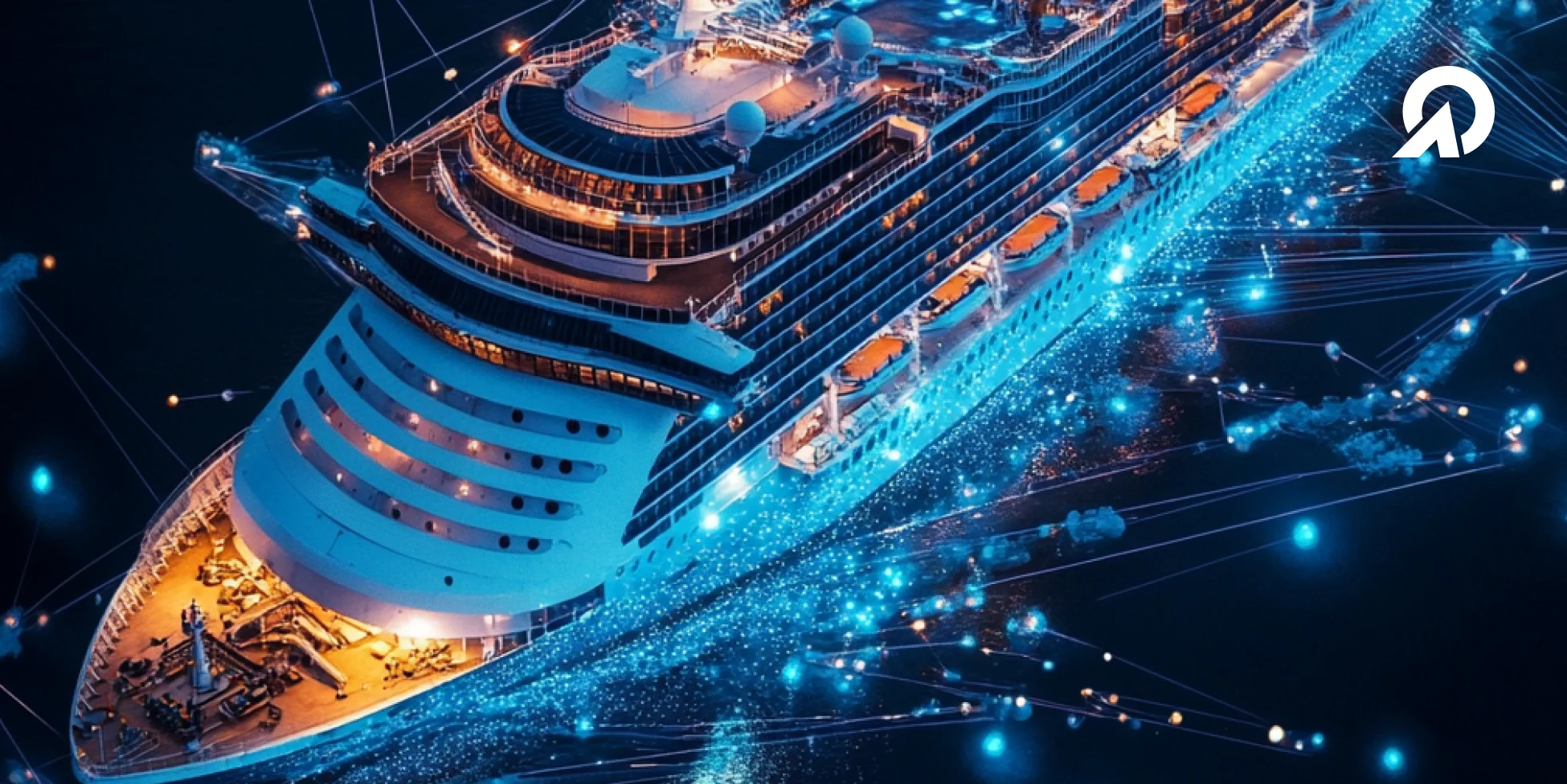
Testing is the backbone of successful IT modernization, especially when integrating legacy systems with cutting-edge technology. In the cruise industry, where smooth operations and top-tier passenger experiences are non-negotiable, thorough testing ensures systems work flawlessly, data is safely migrated, and new technology integrates seamlessly with the old.
Robust testing helps cruise lines avoid costly risks like system downtime, data loss, or security breaches — issues that can damage both operations and reputation.
Here’s how different testing strategies play a critical role:
| Testing Type | Purpose | Example / Benefit |
|---|---|---|
| Compatibility Testing | Ensures that new systems work smoothly with legacy platforms. | A new booking system integrates with existing crew management tools without disruption. |
| Data Migration Testing | Ensures data is migrated accurately to modern systems. | Customer records and operational logs move without loss or corruption. |
| Performance Testing | Ensures that systems can handle peak loads without issues. | Supports high booking volumes or onboard service demand without slowing down. |
| Security Testing | Identifies and fixes vulnerabilities to protect data and ensure compliance. | Safeguards sensitive data; helps meet GDPR and other regulations. |
| User Acceptance Testing (UAT) | Verifies new systems meet staff and passenger needs. | Enables faster check-ins, smoother operations, and personalized passenger experiences. |
Proper testing is key to reducing risks like system downtime, data loss, or security breaches, all of which can be extremely costly in the cruise industry. When done right, testing not only protects operations but also drives real business value. A study by Ascendion revealed that a cruise line’s platform upgrade supported by rigorous testing led to a 35% increase in operational efficiency and a 45% boost in ROI. Hence, robust testing is not just a safeguard, it’s a smart investment in your cruise line’s future journey.
QualiZeal delivers specialized testing services designed to meet the unique needs of the cruise industry. Our expertise ensures smooth, reliable integration of legacy systems with modern technologies and helps cruise lines modernize without disruption.
With deep knowledge of cruise line operations and IT challenges, QualiZeal offers end-to-end testing solutions that address the complexities of digital transformation. From safeguarding data migration to ensuring flawless system performance, we help cruise lines deliver seamless, secure, and high-quality passenger and operational experiences.
Major Services Provided by QualiZeal
QualiZeal offers a comprehensive suite of testing services tailored specifically for the cruise industry. Our solutions ensure seamless modernization, secure integrations, and consistently high-quality performance across all systems.
| Service | Description |
|---|---|
| Legacy System Assessment | QualiZeal conducts in-depth evaluation of existing systems to uncover modernization gaps and integration requirements, ensuring a clear roadmap for upgrades. |
| Test Strategy Development | Based on the assessment, QualiZeal creates customized testing strategies that address data migration, performance, security, and user needs aligned with your cruise line’s specific objectives. |
| Test Automation | With sophisticated automation tools, QualiZeal team automates testing processes efficiently like regression, sanity and smoke testing to save time, reduce cost, and boost accuracy. |
| Data Migration Testing | QualiZeal guarantees that imperative data, for instance, passenger profiles or operational histories, are migrated accurately, without loss or corruption. |
| Performance & Load Testing | Due to the nature of high traffic within cruise operations, QualiZeal rigorously tests system performance under real-world conditions like peak booking times or onboard service surges, ensuring smooth, uninterrupted operations. |
| Security Testing | QualiZeal conducts vulnerability assessments and penetration testing to protect sensitive data and ensure regulatory compliance (e.g., GDPR). |
| User Acceptance Testing (UAT) | Qualizeal team collaborates with cruise staff to confirm that new systems meet operational needs and enhance the guest experience from check-ins to personalized services. |
| Continuous Testing & Monitoring | Ongoing monitoring and testing post-deployment QualiZeal offers continuous testing to maintain stability, catch issues early, and ensure long-term system reliability. |
Case Study Example
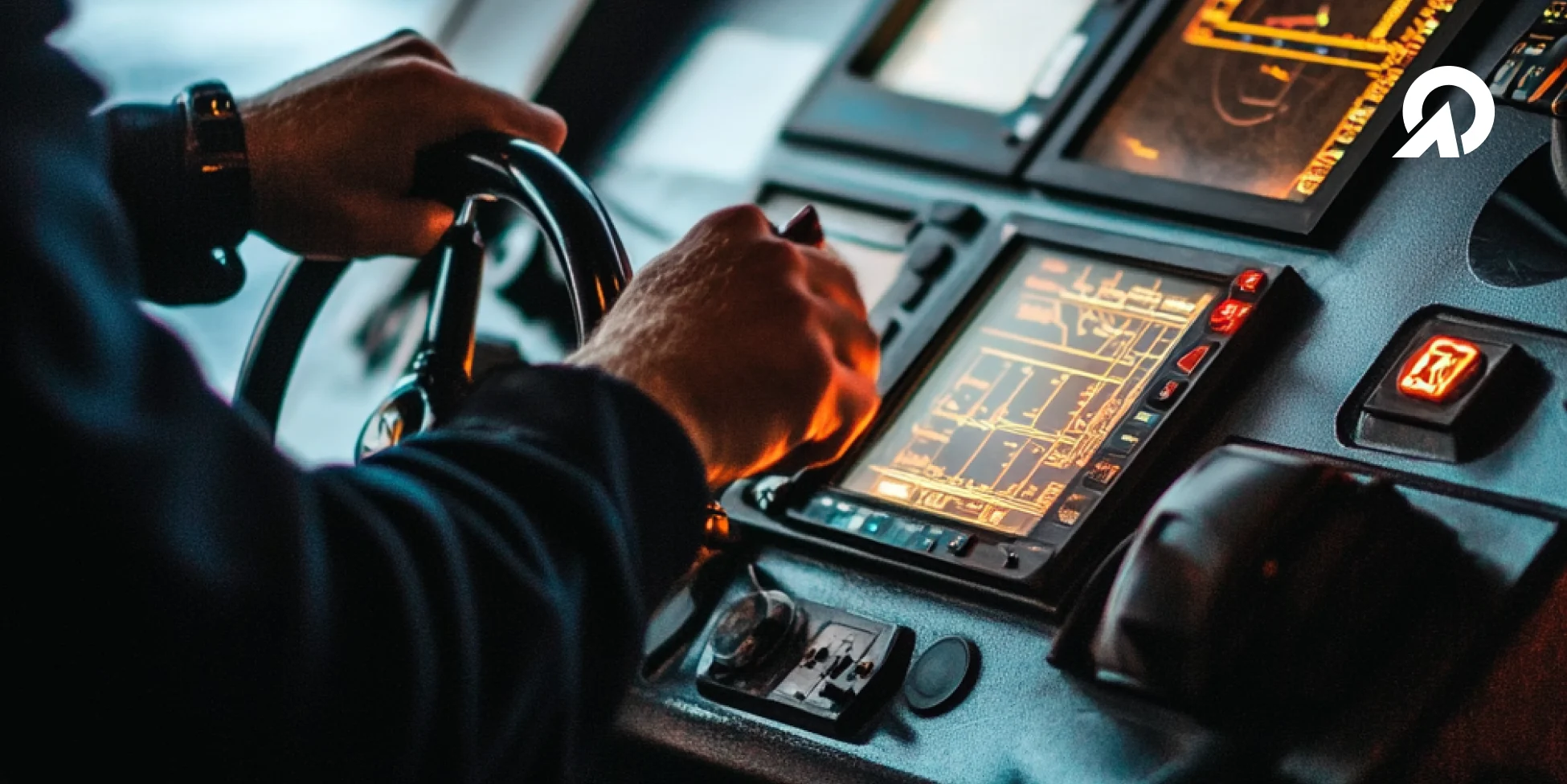
Our client, a luxury cruise line, is renowned and celebrated for delivering exceptional travel experiences on the high seas. Operating in 15 countries and managing 12 currencies, they cater a discerning, elite clientele, setting the gold standard for luxury, innovation, and comfort in the cruise industry.
The cruise line’s technology ecosystem was highly complex, with multiple integrated enterprise applications and Commercial Off-The-Shelf (COTS) systems, including Seaware, FexcoX, Crafter, and HubSpot. However, misaligned release schedules across these systems led to significant challenges like miscommunication, process inefficiencies, and delays in resolving critical issues.
By partnering with QualiZeal, the cruise line achieved:
Improved operational efficiency
Faster time-to-market for updates and innovations
Enhanced reliability across legacy and modern systems
Read more about how QualiZeal helped transform their IT landscape
Why Choose QualiZeal?
QualiZeal’s deep experience in the cruise industry, combined with its advanced testing practices, ensures the smooth and successful execution of IT modernization projects. By addressing the unique challenges of integrating legacy systems, QualiZeal helps cruise lines unlock greater operational efficiency, elevate passenger experiences, and strengthen security all while accelerating their digital transformation journey.
Conclusion
With passenger traffic surpassing pre-pandemic levels and revenues poised for record growth, staying ahead in the cruise industry means keeping IT systems modern and agile. Integrating legacy systems with new technologies comes with challenges from data migration and compatibility to security risks. But with the right testing strategies, these hurdles can be overcome.
QualiZeal’s specialized testing solutions empower cruise lines to confidently advance their IT modernization journeys. We help ensure smoother operations, enhanced passenger experiences, and stronger security. With QualiZeal as your partner, navigating the complexity of modernization becomes easier setting your cruise line on course for a future of innovation, efficiency, and success.
Key Citations
- CLIA 2024 State of the Cruise Industry Report
- Statista Cruise Industry Worldwide Statistics
- J.P. Morgan Cruise Industry Outlook
- Cruise Critic Next-Gen Cruise Technology
- Gartner IT Spending on Technical Debt
- Mendix Cost of Maintaining Legacy Systems
- IGT Solutions Data Platform Modernization
- Logistics Business Outdated IT Infrastructure Risks
- ModLogix Cost of Maintaining Legacy Systems
- Ascendion Touchless Platform Modernization